Itau Cultural Future Territories
Itau Cultural
Client
Strategic Transformation, Experience Management
Services
2024
Itaú Cultural was at a turning point: to stay culturally relevant, it needed to evolve from a traditional cultural center into a collaborative cultural ecosystem—connecting artists, communities, and audiences through experiences that are welcoming, accessible, and continuous across physical and digital channels. As No One’s Head of Service & Business Design, I led the strategic work that translated qualitative research into actionable experience territories—clear directions that help teams design programming, services, and digital touchpoints with a shared language and stronger alignment. OUTCOMES • Turned fragmented assumptions about “the public” into clear behavioral segmentation and experience drivers. • Created a shared strategic language that aligns brand, experience, and ecosystem thinking (not isolated channel fixes). • Delivered an actionable experience strategy that can guide both physical programming and digital platform decisions.
MY ROLE : Head of Service & Business Design I ensured the project narrative, experience territories, and final deliverables stayed aligned with Itaú Cultural’s ambition and the business proposal goals—reviewing outputs, raising the bar on craft, and guiding the storyline from insight to strategy. TEAM: Natalia Franzon - Project Lead Cassia Tischler - Product Designer Samantha Duarte - Design Research
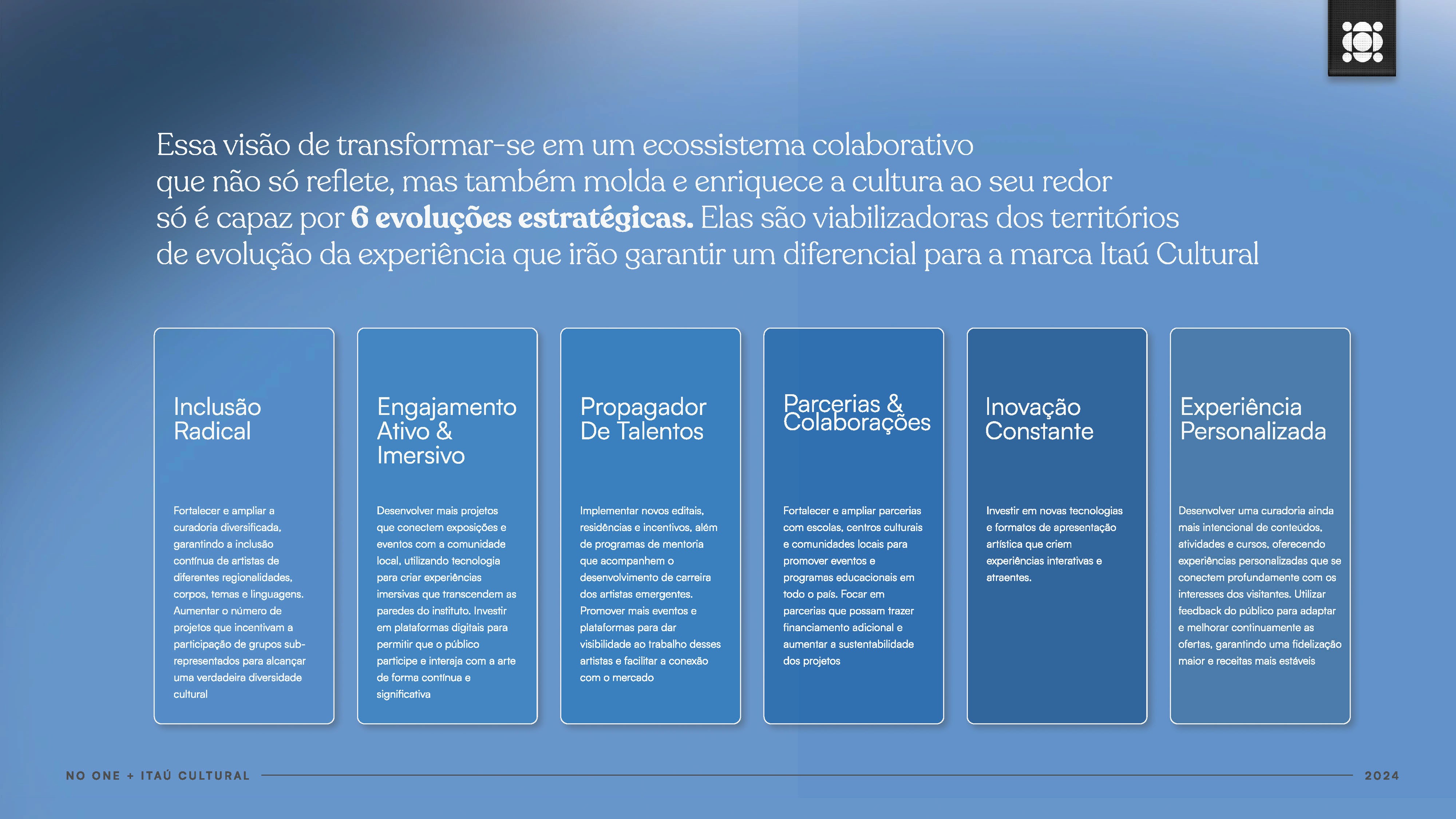
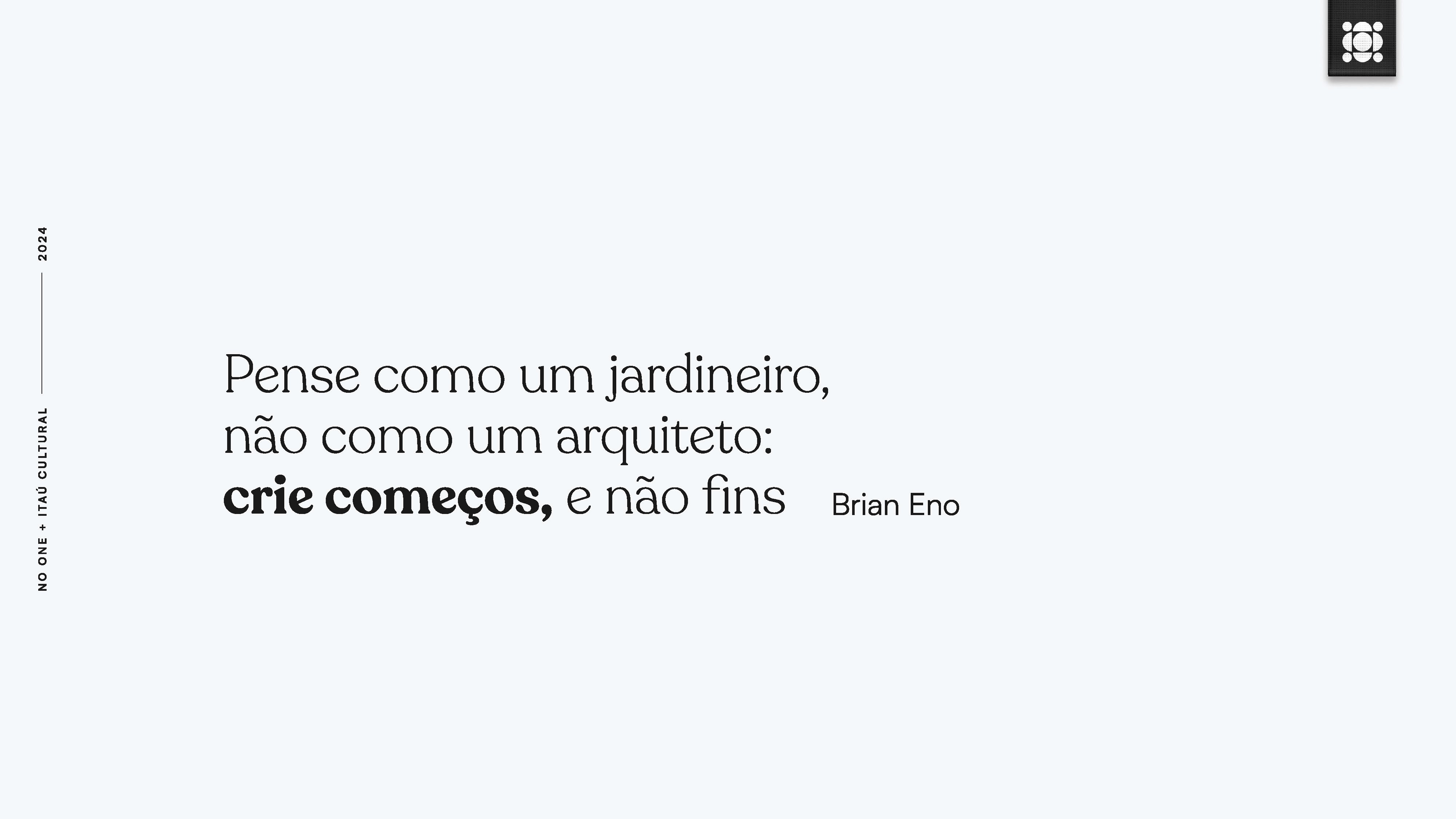
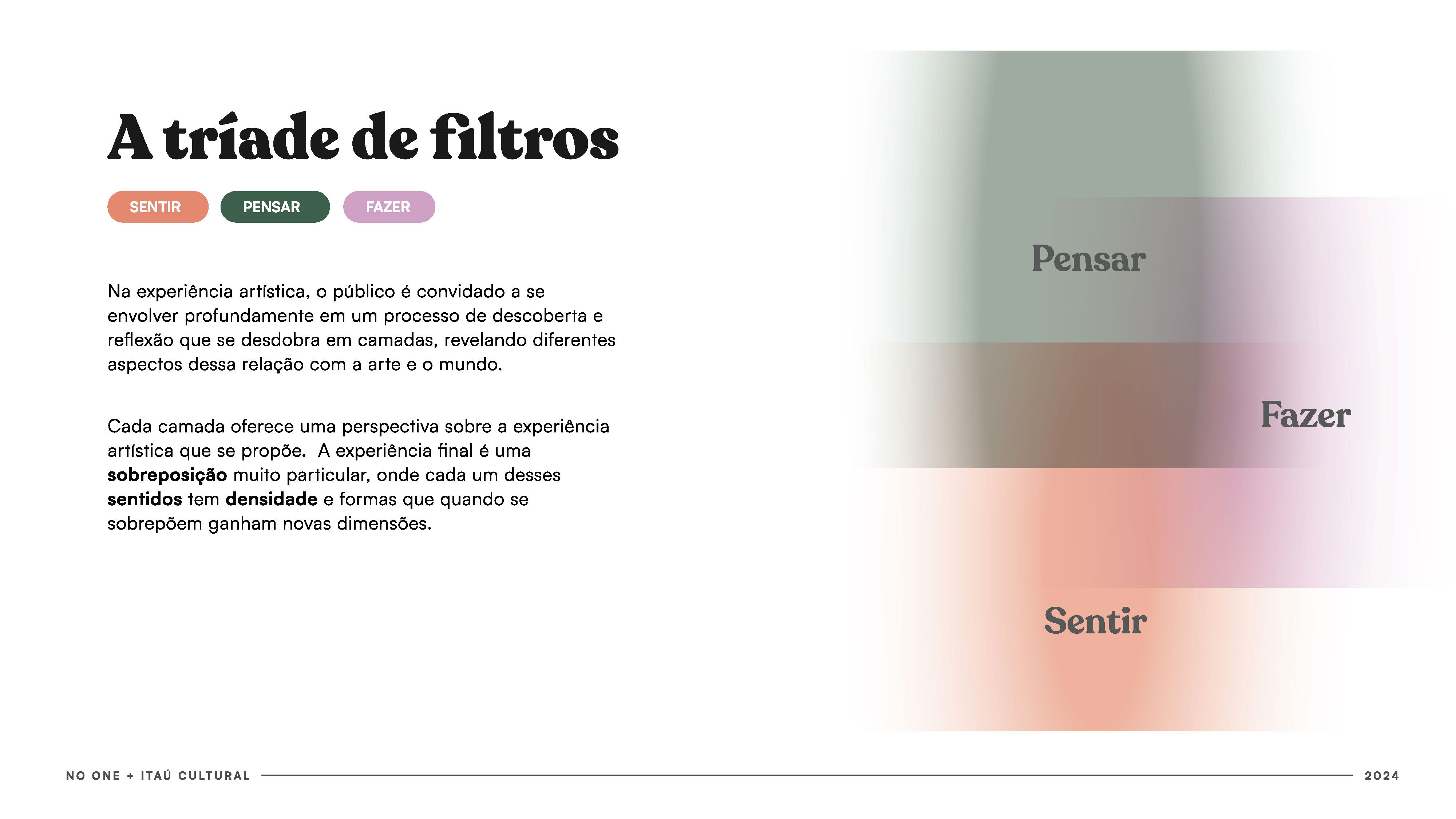
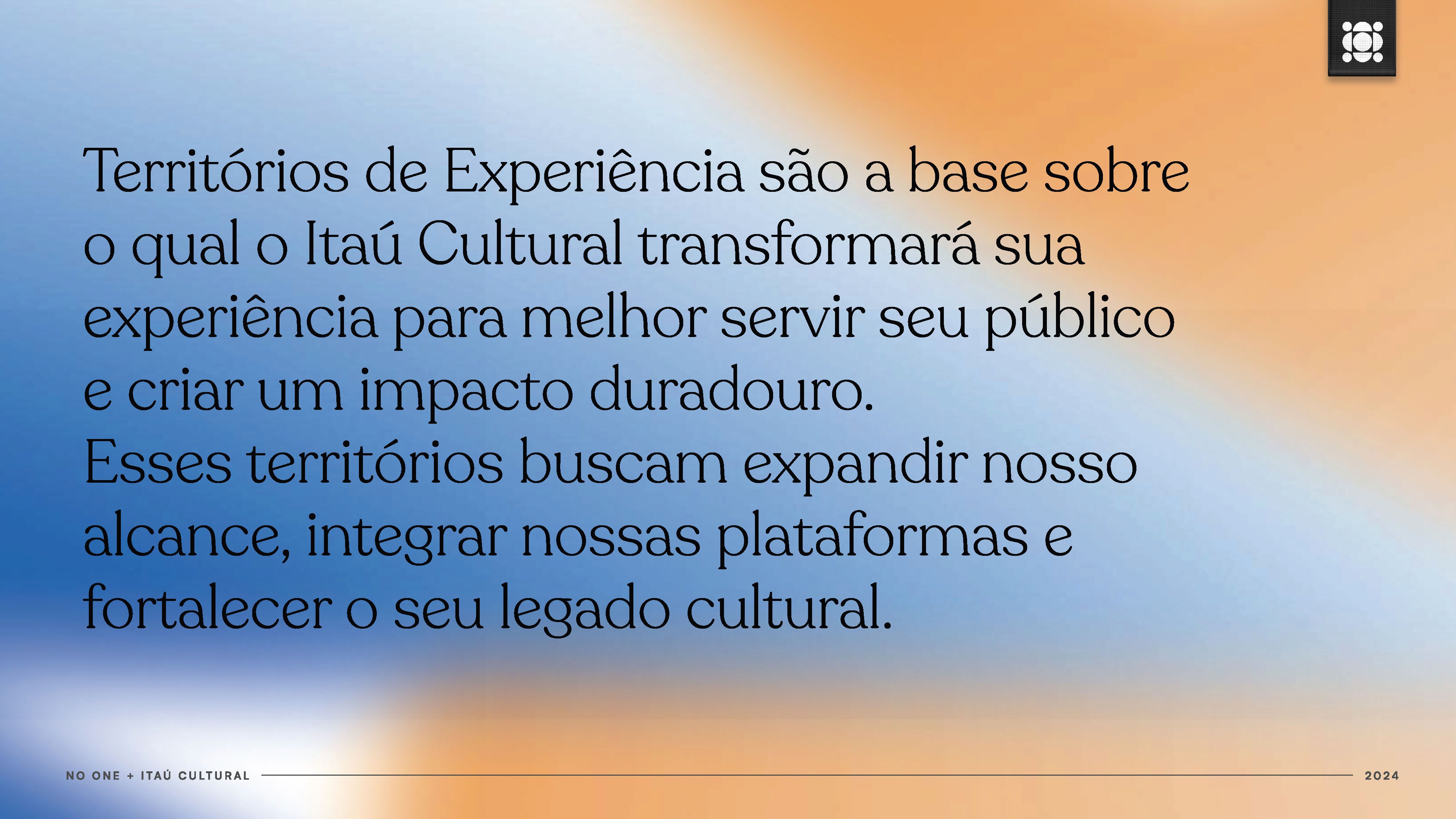
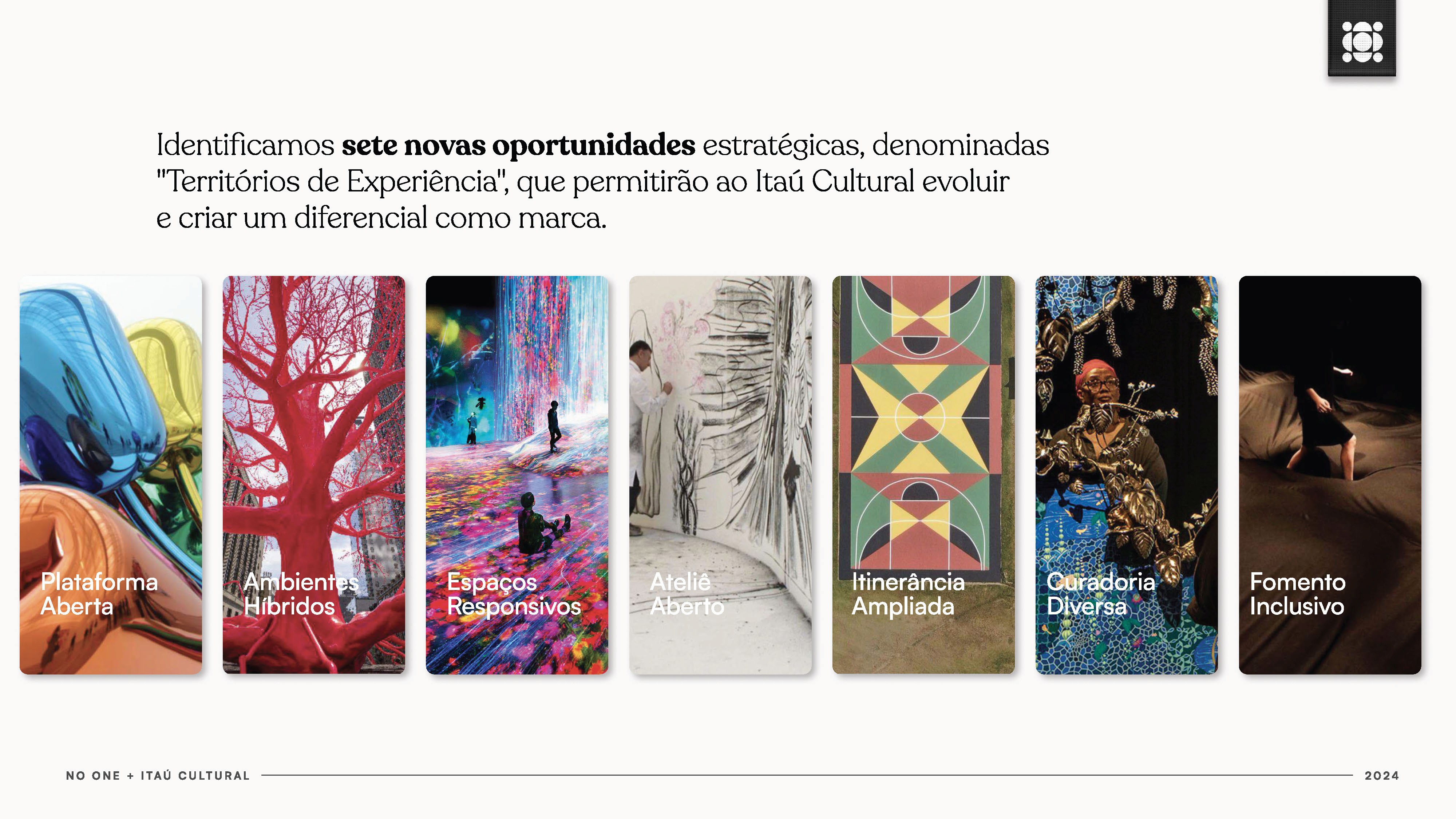
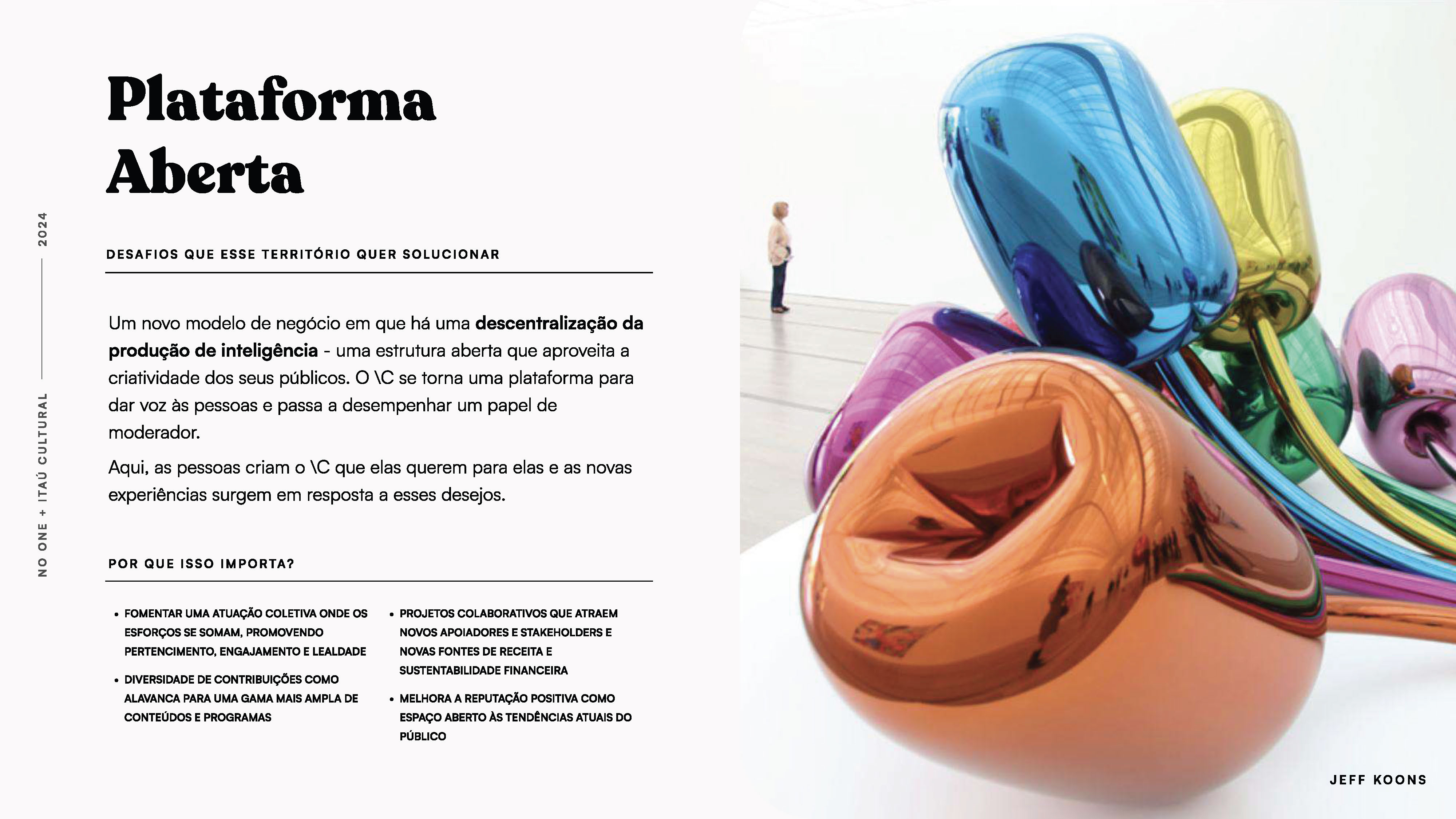
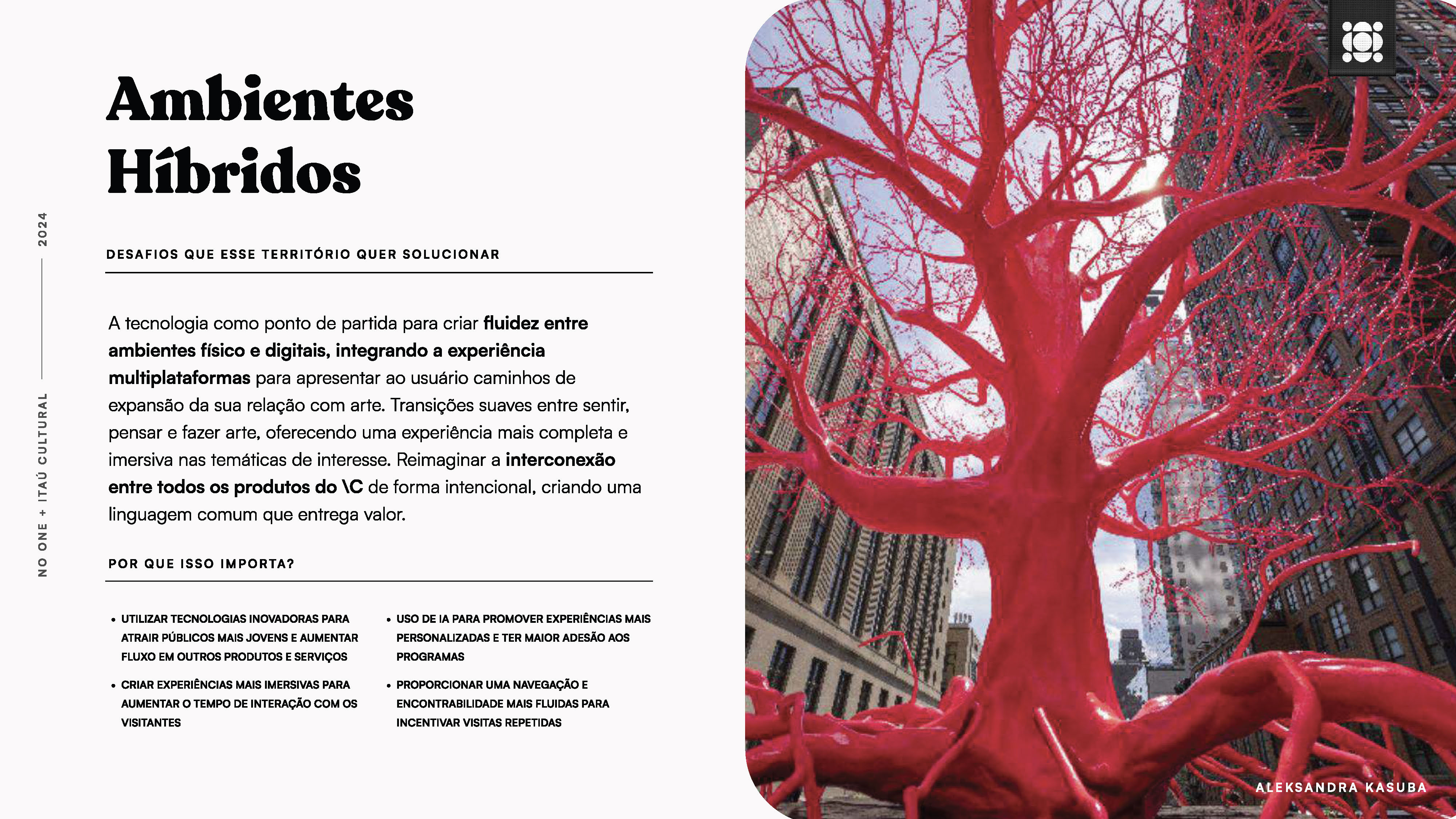
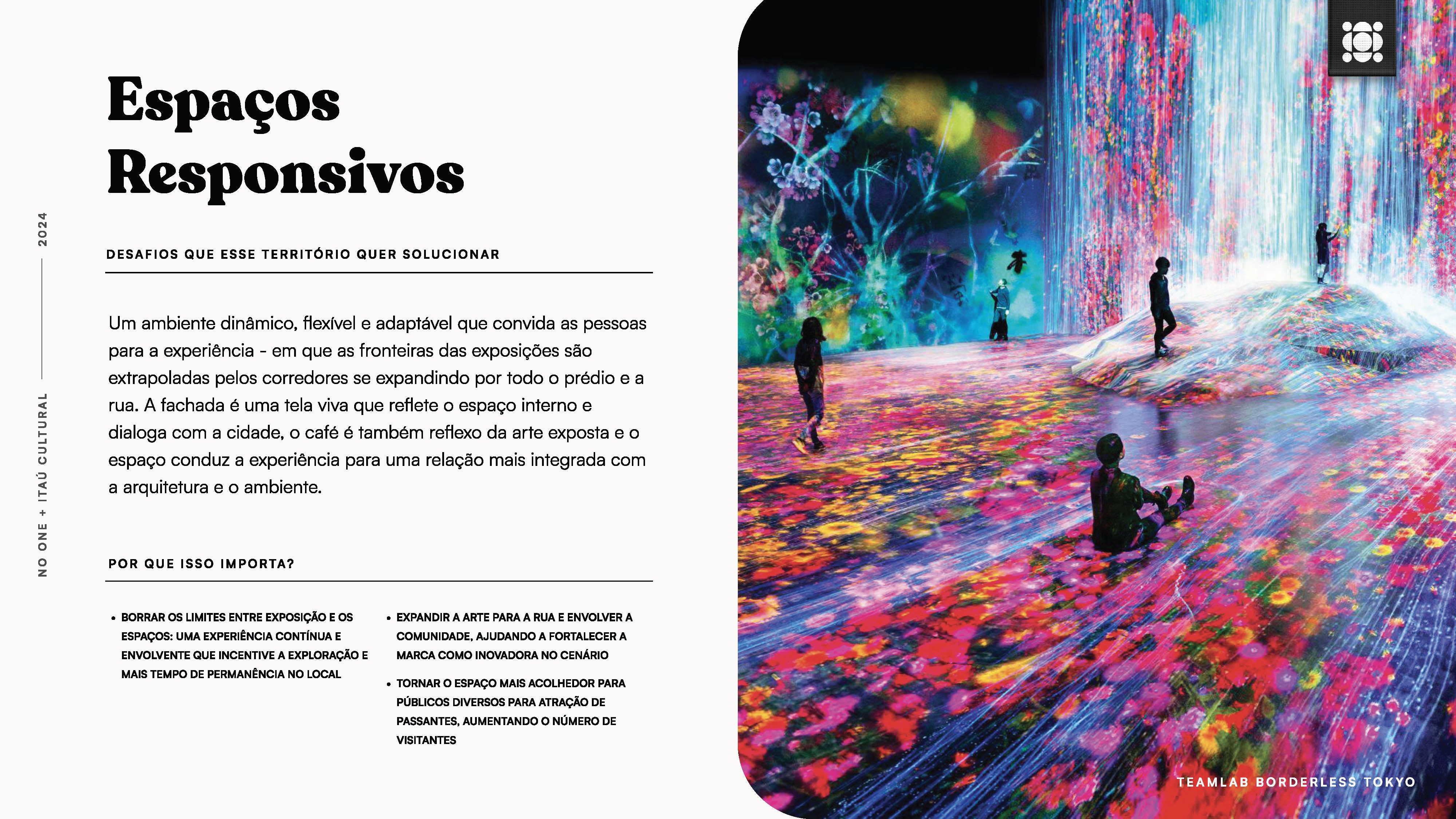
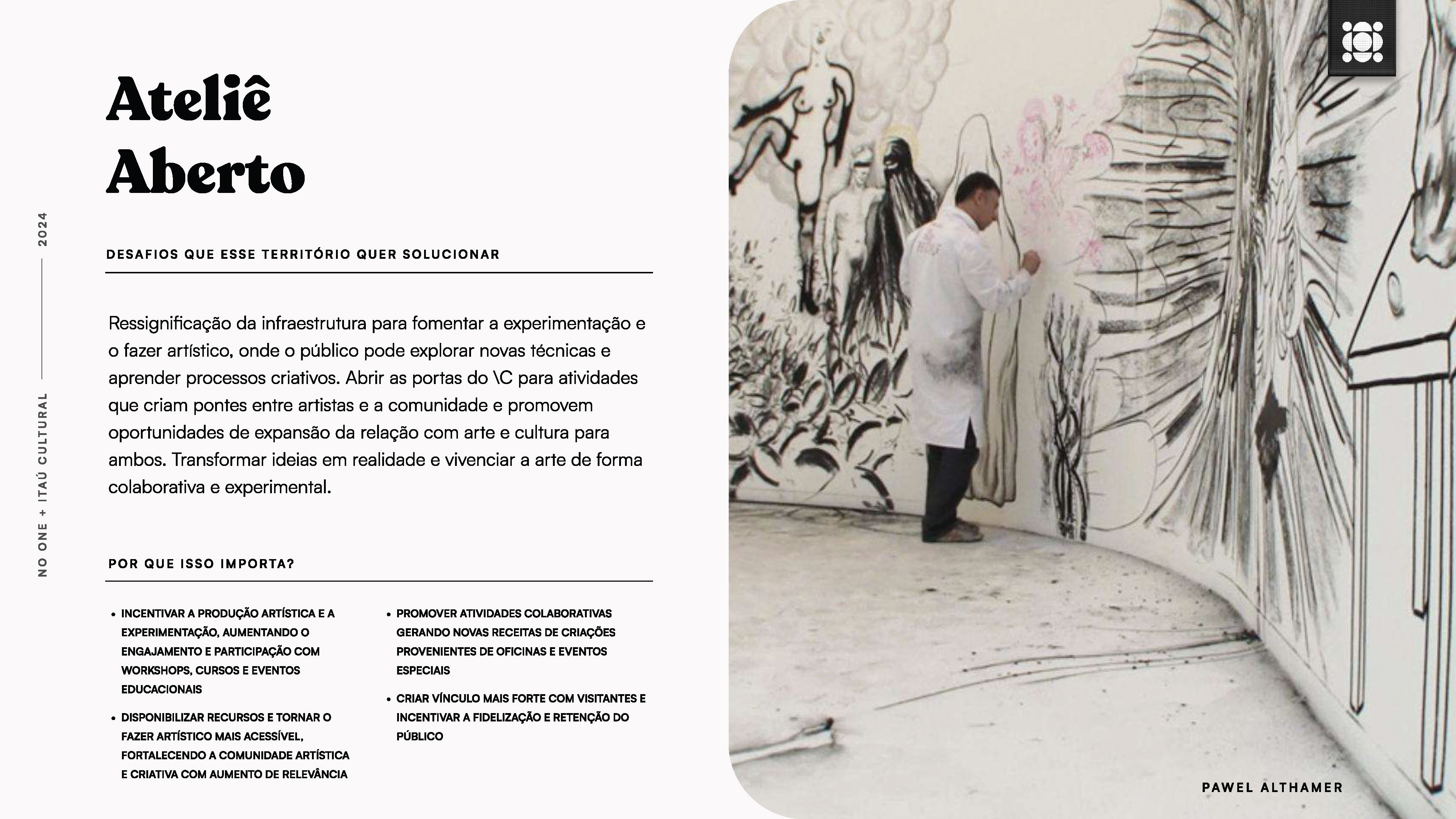
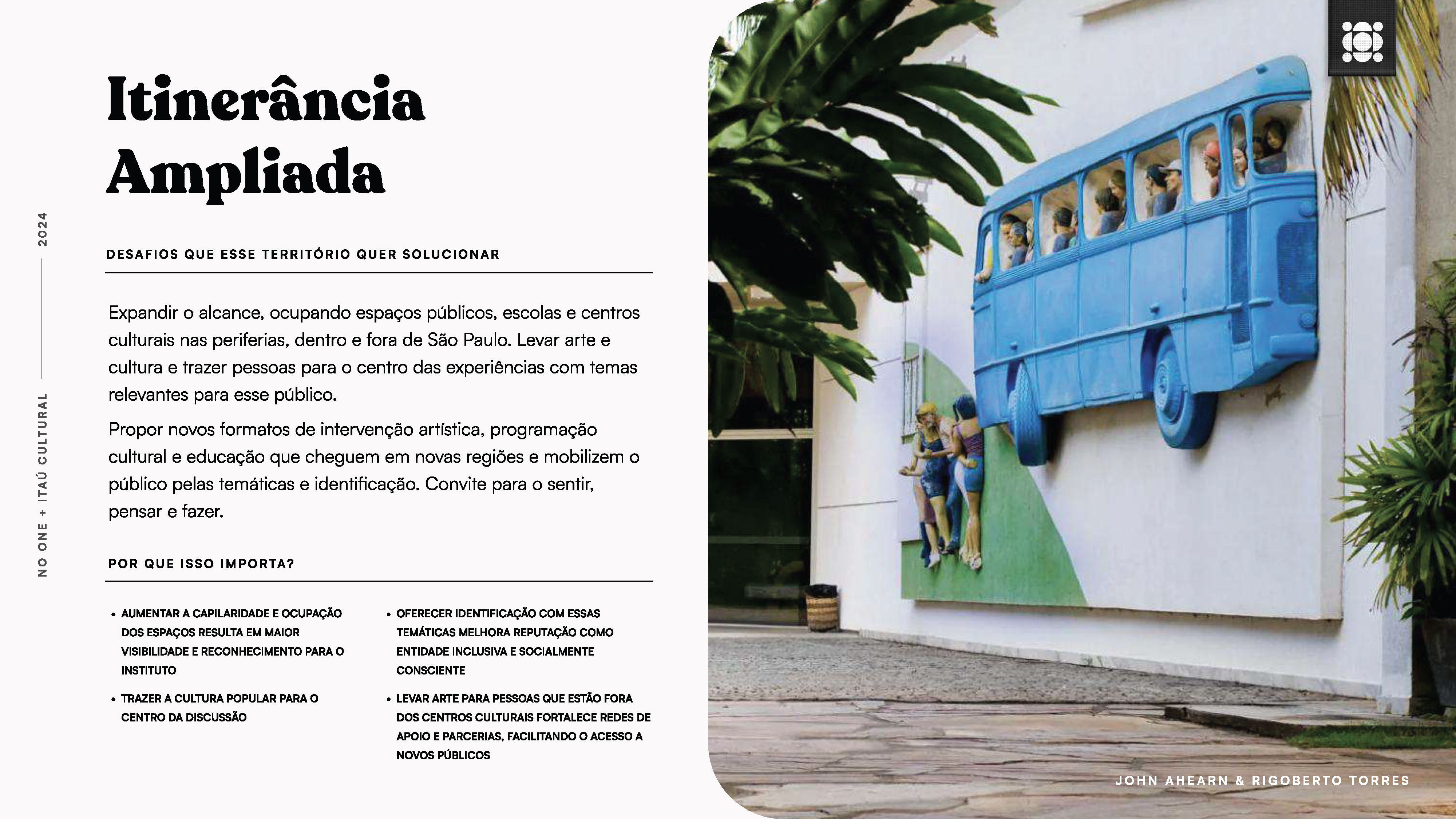
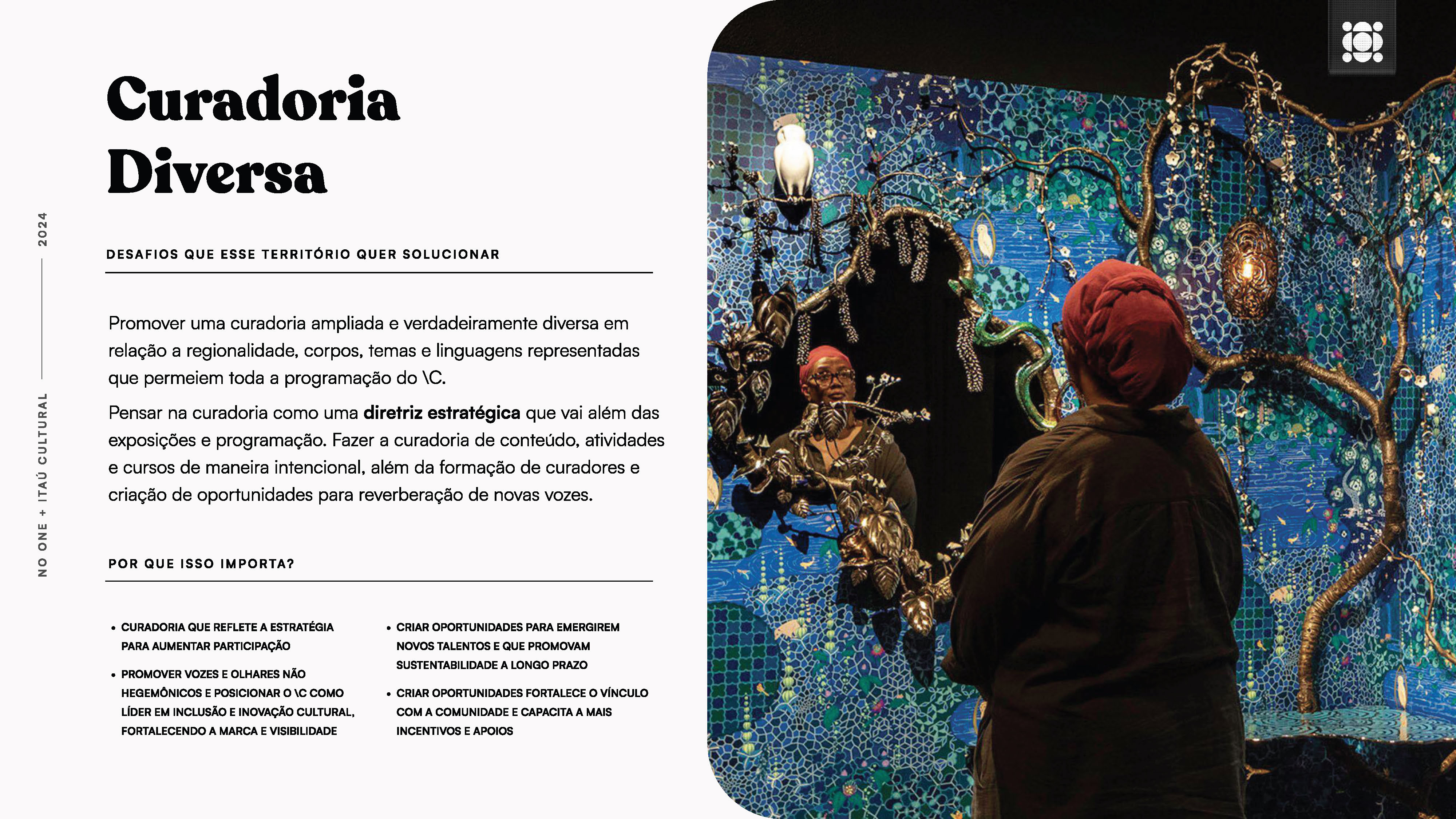
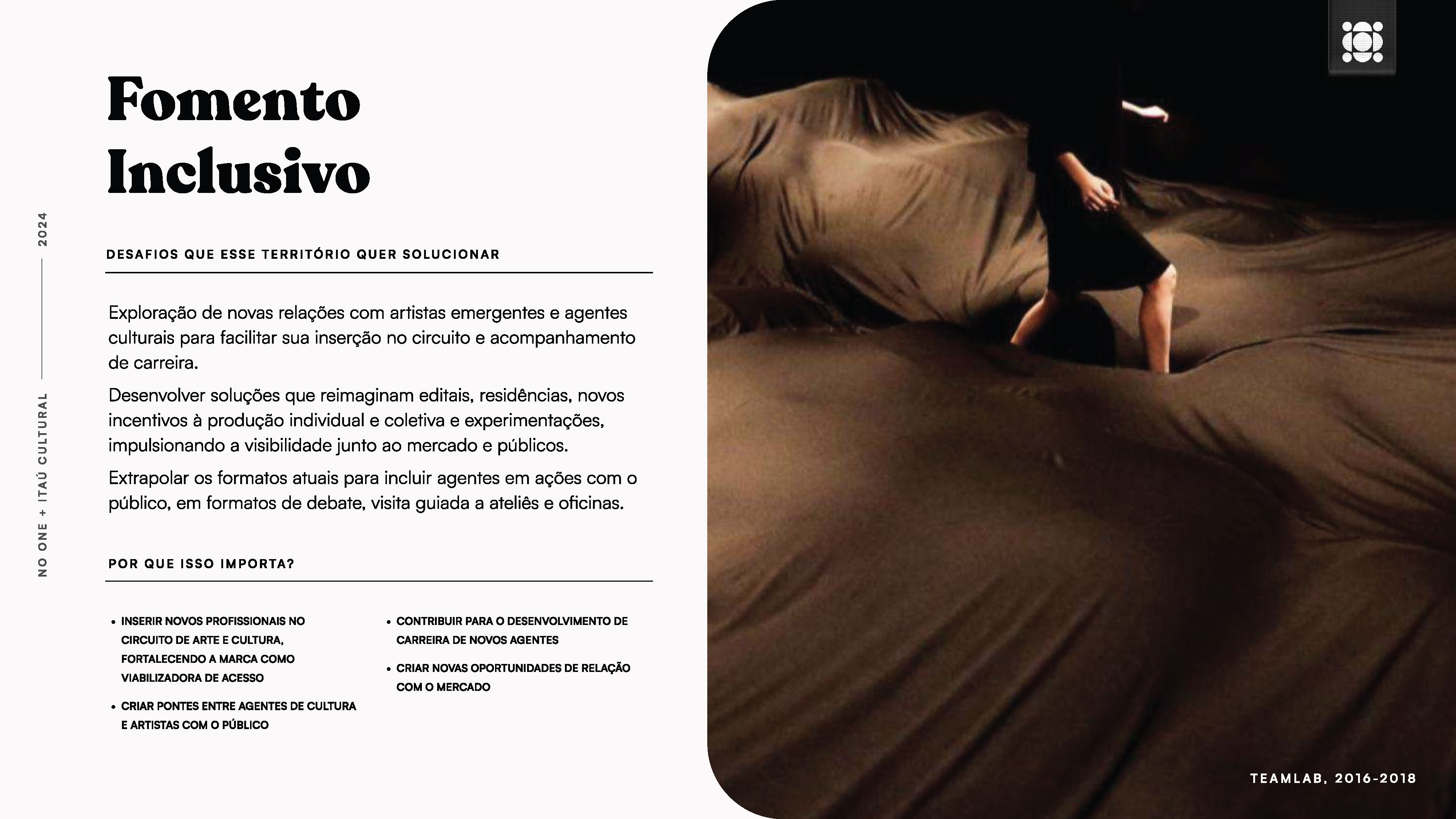
THE CHALLENGE The project started with a set of “How might we” questions that exposed core friction points: Audience knowledge & segmentation: unclear who the current and potential audiences are, making targeted engagement difficult. Experience and identity: lack of a unified cross-platform language and unclear differentiation reduce engagement and return visits. Reach & inclusion: difficulty expanding beyond São Paulo + need to make accessibility a transversal theme across experiences. In short: IC needed a strategy that connects business direction + experience design, and works across physical + digital touchpoints. OBJECTIVE The objective was explicit: understand different audience profiles/drivers, map their experience across IC’s digital and physical ecosystem, identify desires/highs/lows, and generate insights to inform renewals in the experience. APPROACH 1) A structured strategy roadmap (from framing → artifacts) We followed a 5-stage roadmap: Enquadrar → Mergulhar → Processar → Cocriar → Relacionar (align problem framing, investigate behaviors/trends, synthesize new narratives, co-create territories/opportunities, and deliver actionable artifacts). 2) Research & co-creation as a strategy engine The strategy was built using: -6 in-depth interviews -a focus group with 6 arts/culture professionals -co-creation with 11 public representatives And the project cadence was collaborative and fast, with multiple working sessions and a final presentation in May 2024. 3) Mental models (instead of demographics) A key strategic choice: we didn’t segment by demographics alone. We used mental models to understand how people decide, what they’re trying to achieve, and what prevents them from engaging. One of the core lenses: people’s engagement with art and culture varies by degree of intimacy (from low to high). 4) Designing for the full experience: Sentir · Pensar · Fazer We framed cultural experience as layered: -Sentir (emotion, identification, belonging) -Pensar (context, reflection, critical thought) -Fazer (technique, process, experimentation) This became a practical tool to design programming, environments, and digital interactions that move people along the spectrum — not just “inform”, but transform. KEY INSIGHTS 1. Audiences aren’t “targets” — they are states of engagement We identified behavioral archetypes that reflect different relationships with culture. Examples captured in the report: - Curiosa / Inibida: curious, open, but intimidated; needs a friendly entry point and permission to belong. - Entusiasta / Reflexiva: seeks movement and immersion; values comfort, autonomy, and meaningful environments. - Versada / Saturada: highly immersed; seeks challenge, renewal, and community dialogue rather than passive consumption. This reframed the design problem: IC shouldn’t only “broadcast content.” It should cultivate conditions that help people cross barriers and deepen their relationship with art. 2. From “Cultural Center” → “Cultural Ecosystem” We proposed an evolution: IC as an ecosystem where artists, communities, and audiences co-create and enrich the cultural landscape. 3. This ecosystem vision is enabled by 6 strategic evolutions: Inclusão radical Engajamento ativo & imersivo Propagador de talentos Parcerias & colaborações Inovação constante Experiência personalizada And it’s grounded in a simple mental shift: “Think like a gardener, not an architect: create beginnings, not ends.” DELIVERABLES 1) Experience Territories (Territórios de Experiência) A structured set of “territories” that guide how IC invites, welcomes, integrates, and expands audience relationships with culture. (You can present these as strategic pillars, each with opportunities + initiatives.) 2) Audience language system (verbs + tone) We created a vocabulary of audience intents and experience actions — a lightweight way to align teams around what the experience should do for people (e.g., “acolher”, “convidar”, “dialogar”, “expandir”, “revelar”…). 3) Actionable strategic artifacts The output wasn’t just a report — it was designed to be used as a decision tool for: .product/service evolution .cross-platform language cohesion .content/programming design .accessibility and reach initiatives
Hungry for more?